Unlocking Sustainability: Why Environmental Consulting Proves Critical for Every Business
In the current business environment, sustainability is not just an option; it is a necessity. Environmental consulting offers critical support for organizations seeking to navigate this complex terrain. Consultants assess environmental impacts, ensure compliance, and help create effective sustainability strategies. As legal requirements and market demands grow, understanding the role of these consultants becomes progressively vital. What specific benefits can businesses derive from these partnerships, and how can they effectively adopt sustainable practices?
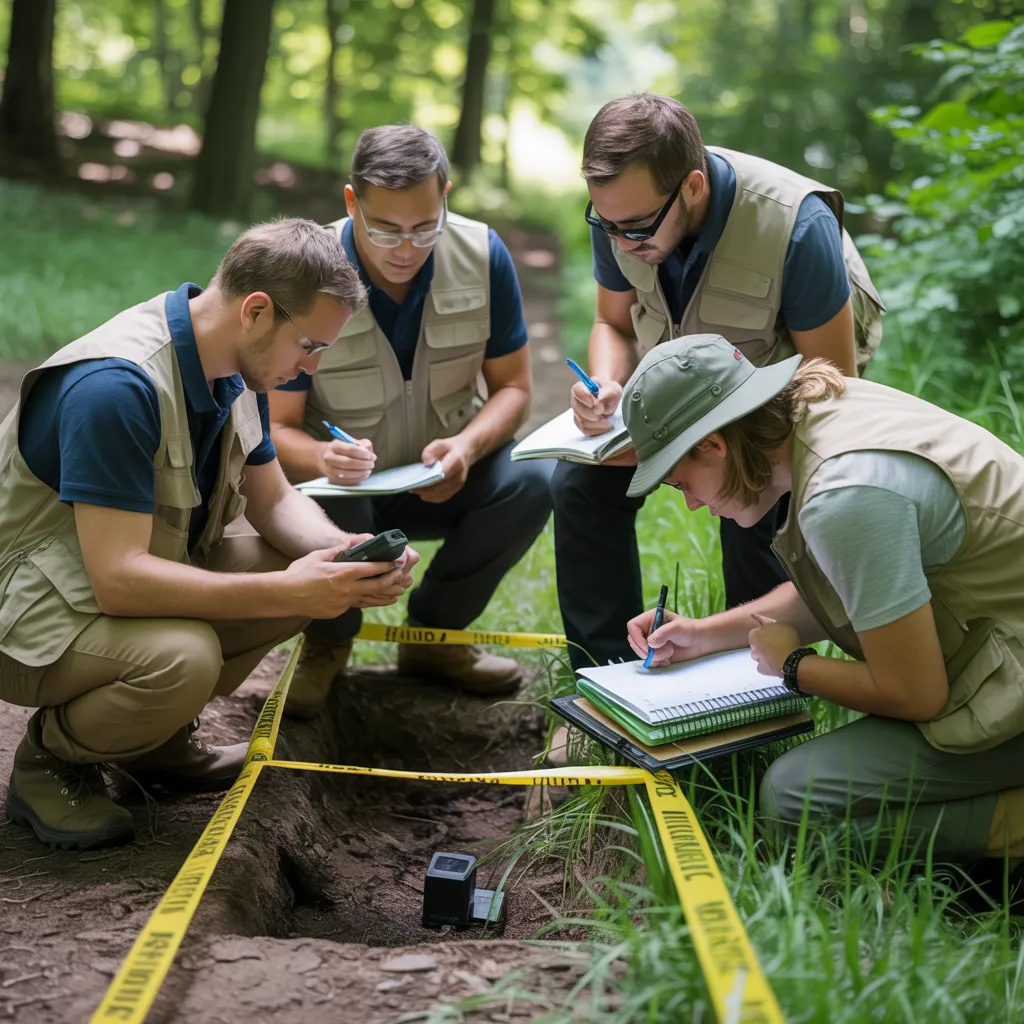
Comprehending the Purpose of Environmental Consultants
While businesses progressively face environmental regulations and sustainability challenges, the role of environmental consultants has become vital. These professionals specialize in evaluating environmental impacts, ensuring compliance with laws, and guiding organizations in the direction of sustainable practices. They conduct audits, review data, and develop strategies that mitigate risks associated with environmental issues. By identifying potential liabilities, environmental consultants help businesses avoid costly penalties and improve their reputation.
Additionally, they help with the design and implementation of environmental management systems, supplying training and resources to staff. Their knowledge extends to diverse sectors, including manufacturing, construction, and agriculture, where they adjust solutions to meet specific industry needs. By keeping current with regulatory changes and emerging sustainability trends, environmental consultants equip businesses with the knowledge required for sustained compliance and operational efficiency. Ultimately, their role not only defends the environment but also cultivates a culture of sustainability within organizations.
Positive Aspects of Sustainable Methods for Organizations
Companies experience various benefits through sustainable practices, as they improve both brand reputation and operational efficiency. By embracing green practices, companies can reduce waste and lower energy consumption, leading to significant cost savings. These practices commonly appeal to eco-conscious consumers, expanding market reach while building customer loyalty.
Moreover, compliance with environmental regulations becomes more manageable, reducing the risk of legal penalties. Organizations that prioritize sustainability are often viewed as industry leaders, positioning themselves advantageously against competitors. Improved employee morale and productivity can also arise from a commitment to sustainability, as workers progressively seek to associate with socially responsible organizations.
Moreover, eco-friendly approaches can open avenues for innovation, stimulating the evolution of new products and services that address changing consumer expectations. Ultimately, a robust commitment to sustainability does more than just contributes to environmental protection but also represents a strategic advantage in the current competitive market.
Analyzing Your Existing Environmental Effect
How can a company precisely measure its environmental impact? To comprehensively gauge their current environmental impact, businesses should conduct a comprehensive evaluation of their operations. This includes analyzing energy consumption, waste generation, water usage, and emissions produced across all processes. Employing tools such as life cycle assessments (LCAs) can offer insights into the environmental effects of products from development to disposal.
Moreover, businesses should participate in data collection and monitoring practices to measure their resource utilization and waste outputs. Working with environmental consultants can strengthen this assessment, as they bring expertise in identifying areas for improvement. In addition, conducting employee surveys can provide insights into operational practices that may result in environmental degradation. By carefully evaluating these aspects, businesses can establish a clear baseline of their environmental impact, enabling informed decision-making in sustainability efforts.
Building a Comprehensive Sustainable Development Plan
A thorough sustainability strategy is crucial for businesses aiming to minimize their environmental impact and strengthen long-term viability. This strategy should begin with a clear understanding of the organization's environmental footprint, pinpointing key areas for improvement. Incorporating stakeholders, including employees and customers, develops a culture of sustainability and stimulates innovative solutions.
Following this, defining measurable goals is essential; these goals can include decreasing waste, energy consumption, and carbon emissions. Businesses should incorporate sustainable practices into their operations, supply chains, and product development, fostering a circular economy approach.
Ongoing monitoring and reporting on progress help ensure accountability and transparency, while modifying strategies based on performance metrics guarantees continuous improvement.
In the end, a well-developed sustainability strategy not only promotes environmental stewardship but can also improve brand reputation, appeal to eco-conscious consumers, and generate cost savings, making it a vital component for modern businesses seeking to thrive in a transforming world.
Environmental Regulatory Compliance
Numerous companies encounter the difficulty of navigating intricate environmental regulations that differ across region and sector. Compliance with these regulations is vital for preventing legal penalties, financial losses, and reputational damage. Environmental consultants perform a vital role in helping organizations grasp and follow local, national, and international laws regulating environmental protection. They supply expertise in domains such as waste management, emissions controls, and resource utilization, making certain that businesses adopt best practices.
Improving Company Prestige Via Sustainability
As customers more and more focus on environmental stewardship, businesses that adopt sustainable practices can substantially boost their brand reputation. Organizations that exhibit a commitment to sustainability not only attract environmentally additional info conscious customers but also foster loyalty among existing clients. This commitment can show itself in numerous ways, such as lowering carbon footprints, employing renewable resources, or taking part in community-focused environmental initiatives.
When businesses transparently communicate their sustainability efforts, they build trust and credibility with stakeholders. Positive public perception can generate increased market share and competitive advantage, as consumers are more likely to support brands that align with their values. Moreover, sustainable practices often produce cost savings through optimized efficiency, further strengthening the brand's financial position.
In the end, prioritizing sustainability can reshape a brand's identity, establishing a positive narrative that appeals to consumers and strengthens complete brand equity.
Future Trends in Environmental Sustainability Consulting
As businesses increasingly prioritize sustainability, the integration of cutting-edge technological solutions into environmental consulting practices is proving vital. In tandem with this technological evolution, regulatory changes are reshaping the landscape, compelling consultants to adjust their methods to remain compliant. These trends signal a transformative period for the environmental consulting sector, emphasizing the need for creative approaches and proactive strategies.
Technology Integration in Consulting
With the rapid advancement of technology, environmental consulting is ready to embrace significant transformations that will improve sustainability practices across diverse industries. The integration of data analytics, artificial intelligence, and remote sensing technologies permits consultants to deliver detailed assessments and innovative solutions. These tools enable real-time monitoring of environmental impacts, supporting proactive measures rather than reactive responses. Furthermore, cloud-based platforms optimize collaboration among stakeholders, boosting transparency and accountability in sustainability initiatives. The rise of smart technologies, such as IoT devices, empowers businesses to track resource consumption and emissions more effectively. As technology continues to evolve, environmental consultants will increasingly utilize these innovations to drive efficiency, reduce costs, and support businesses in reaching their sustainability goals.
Regulatory Shifts Affecting Practices
Regulatory shifts regularly redefine the landscape of environmental consulting, prompting businesses to adapt their practices to meet new standards. As governments worldwide implement stricter environmental regulations, organizations must reexamine their strategies to fulfill compliance requirements. This is particularly noticeable in sectors such as manufacturing, energy, and waste management, where non-compliance can lead to significant fines and reputational damage. Environmental consultants play an vital role in helping businesses navigate these complexities, ensuring that they are not only compliant but also poised for sustainable growth. Moreover, the trend toward heightened transparency and accountability in environmental practices is likely to continue, forcing businesses to adopt proactive measures in their sustainability efforts. Therefore, adapting to regulatory changes will remain a crucial focus for organizations striving for long-term viability.
Most Asked Questions
What Does It Typically Cost to Hire an Environmental Consultant?
Hiring an environmental consultant typically costs between $100 to $300 per hour, contingent upon factors such as experience level, project complexity, and location. Some consultants may also provide set prices for particular projects or projects.
Do Small Businesses Gain Value From Environmental Consulting Services?
Yes, small businesses can benefit from environmental consulting services. Such services assist in identifying cost-saving opportunities, strengthen sustainability practices, and ensure regulatory compliance, ultimately leading to a stronger reputation and increased competitiveness in the market.
What Types of Industries Most Commonly Need Environmental Consulting?
Industries such as manufacturing, construction, energy, and agriculture commonly require environmental consulting. These fields regularly face regulatory requirements, environmental impact assessments, and sustainability initiatives, necessitating expert guidance to navigate complex environmental issues successfully.
How Can I Select the Right Environmental Consultant for My Organization?
To pick the right environmental consultant, one should evaluate their skills, industry experience, and client references. In addition, assessing their approach to sustainability and regulatory awareness can establish alignment with your company's specific environmental objectives and requirements.
Which Certifications Should I Search for in an Environmental Consultant?
When selecting an environmental consultant, one should prioritize certifications such as ISO 14001, LEED accreditation, and Certified Environmental Professional (CEP). These credentials signify expertise in environmental management, sustainability practices, and regulatory compliance, providing reliable guidance.